Why Professional Utility Locaters Are Essential to Commercial Development
Professional utility locating plays an important role in commercial development because buried infrastructure can affect nearly every stage of a construction project. Before excavation begins, developers and contractors need a clear understanding of what exists beneath the worksite, including electric, gas, oil, steam, communication, water, sewer, and drainage lines. Without accurate information, seemingly routine excavation can create safety hazards, service disruptions, unexpected expenses, and scheduling problems.
Commercial projects also involve more than simply identifying whether a utility exists. Teams need accurate information on line locations in order to plan excavation, grading, foundation work, trenching, and other site activities appropriately. Professional locating services provide an important layer of preparation by helping project teams understand underground conditions before work begins.
Protecting Commercial Projects From Underground Utility Risks
Identifying Buried Infrastructure Before Excavation
Commercial properties can contain extensive networks of buried infrastructure, some of which may not be obvious from surface conditions or available site plans. Electric lines may supply buildings or exterior equipment, while gas, oil, steam, water, sewer, drainage, and communication lines may cross different portions of a property. Private utilities can also exist beyond the infrastructure identified through standard public marking procedures.
Professional utility locators help identify these underground systems before excavation disrupts the site. Locating services can provide information that contractors need to establish safer work areas and plan excavation activities around existing lines. This is particularly important when working on developed properties where utilities may have been installed, modified, or extended over time. Understanding the underground layout before ground is disturbed can reduce the possibility of unexpected encounters with buried infrastructure.
Reducing Safety Hazards During Construction
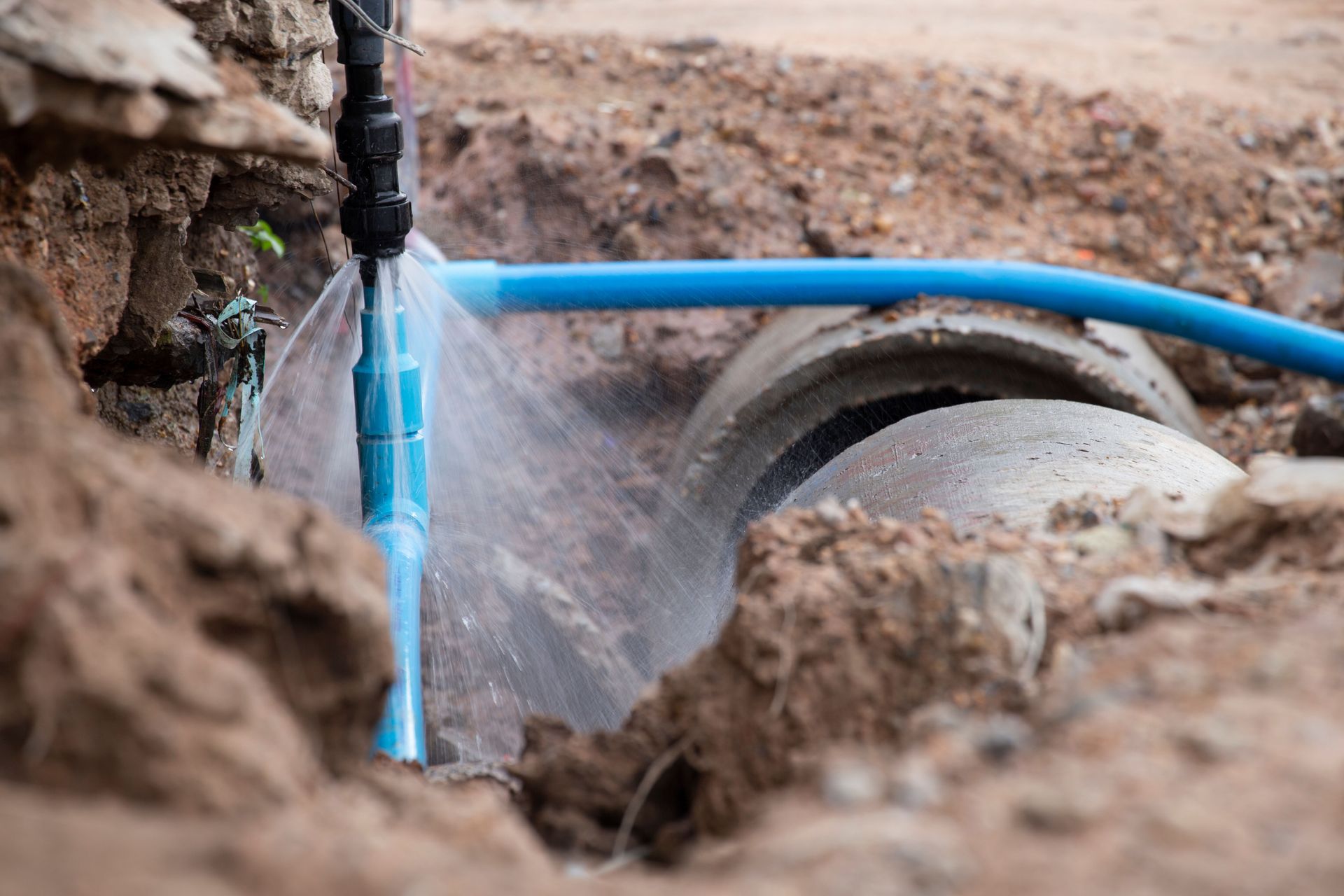
Striking an underground utility can create consequences that extend well beyond damage to a construction site. Contact with an electric line can create serious electrical hazards, while damage to a gas or oil line can create dangerous leaks. Water, sewer, and drainage infrastructure can also be disrupted, potentially affecting surrounding properties and creating additional cleanup or repair requirements.
Utility locators provide an important preventive service by helping crews identify potential hazards before excavation begins. Accurate markings allow operators to recognize areas that require additional care and adjust their work accordingly. This preparation can support safer excavation practices while helping contractors account for buried infrastructure as they establish work zones, access points, trenches, and other construction activities.
Supporting Compliance and Responsible Planning
Commercial developers must account for applicable excavation procedures and utility notification requirements before work begins. Calling 811 is an important part of the process, but public utility markings may not identify privately owned infrastructure located on a commercial property. Private electric feeds, communication lines, irrigation systems, septic components, and other customer-owned utilities can remain outside the scope of standard public marking services.
Working with professionals who understand 811 protocols and private utility locating can help project teams address this gap. A comprehensive locating process gives developers and contractors additional information to consider before excavation. It can also help them document underground conditions and incorporate known utility locations into project planning. Taking these steps before construction begins can make it easier to coordinate excavation activities while reducing avoidable complications.
Improving Construction Scheduling and Project Efficiency
Preventing Delays Caused by Utility Conflicts
Underground utility conflicts can have a substantial effect on construction schedules, particularly when crews encounter infrastructure that was not identified during initial planning. According to Geo Week News, underground utility conflicts and relocations are the number one cause of delays during road construction projects. This illustrates how buried infrastructure can become a significant scheduling issue when its location is not properly addressed before construction.
Utility locators can help commercial project teams identify potential conflicts before excavation reaches the affected area. Early identification gives developers, engineers, and contractors more time to determine whether a planned alignment needs to change or whether a utility requires coordination or relocation. Addressing these issues during planning is generally more manageable than discovering them after equipment is already operating on the site.
Helping Contractors Coordinate Site Activities
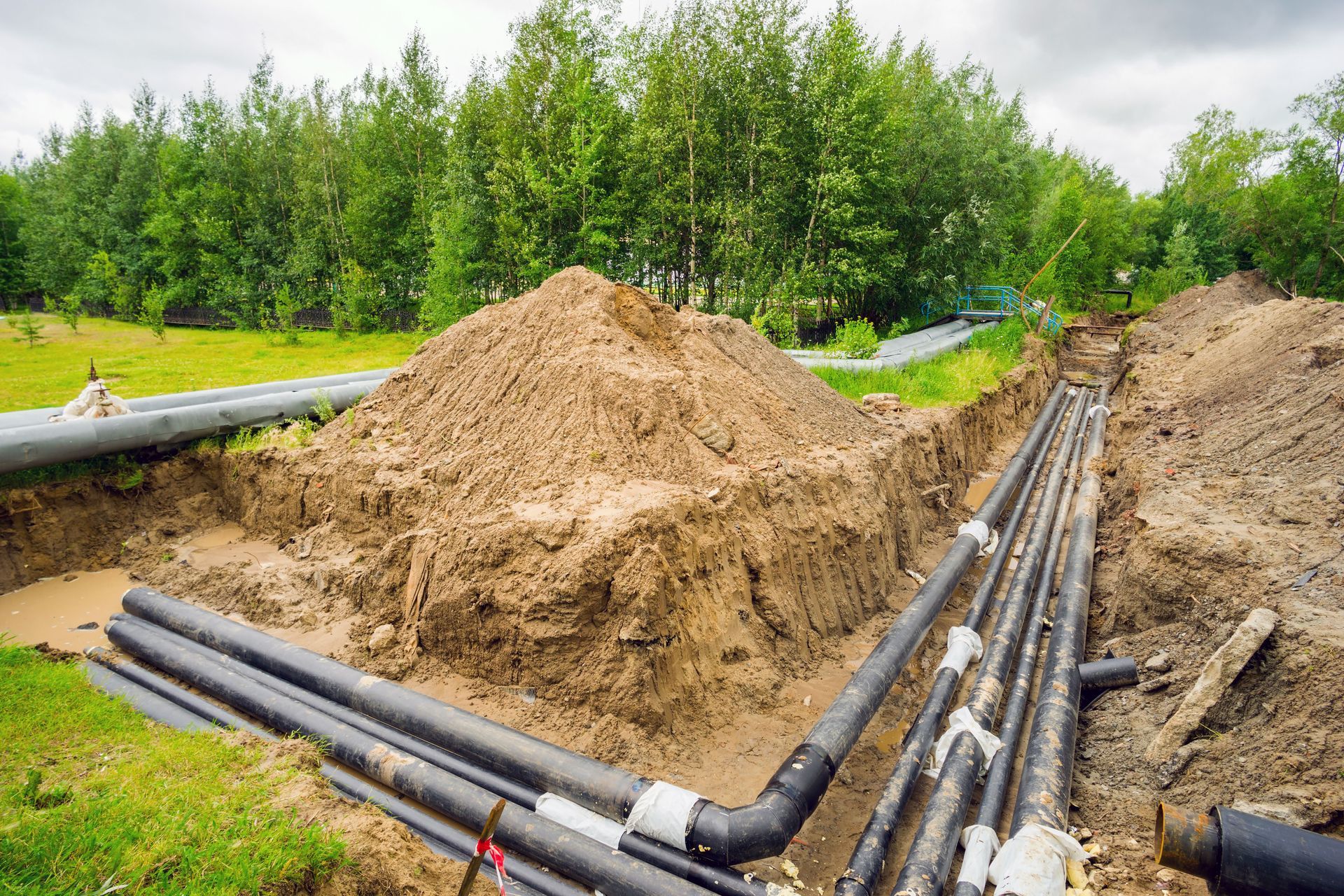
Commercial development often involves multiple crews performing different tasks within a shared work area. Excavation, utility installation, foundation preparation, grading, paving, drainage work, and building construction may all need to occur according to a coordinated schedule. Underground utilities can influence where and when these activities take place, particularly when existing lines cross planned excavation areas.
Accurate locating information can help contractors incorporate buried infrastructure into their sequencing decisions. Rather than relying solely on assumptions or incomplete records, project teams can use identified utility locations when determining where excavation should occur and how crews should approach specific areas. This can make coordination more straightforward and help reduce situations in which one phase of construction unexpectedly interferes with another.
Limiting Unexpected Costs and Rework
Utility conflicts can create costs beyond the immediate repair of damaged infrastructure. A construction crew may need to stop work, bring in specialized personnel, revise an excavation plan, obtain additional materials, or coordinate with a utility owner. If the conflict affects other scheduled activities, the financial impact can extend across multiple phases of a project.
Professional locating before excavation can help reduce the potential for these disruptions. Utility locators provide information that can be incorporated into project plans before crews commit significant time and resources to ground-disturbing work. While locating cannot eliminate every underground uncertainty, identifying known infrastructure in advance gives commercial teams an opportunity to account for potential conflicts rather than reacting to them after construction is underway.
Supporting Better Decisions From Planning Through Construction
Providing Information for Site Development
Utility locating should be considered during the planning stages of commercial development rather than treated solely as a last-minute excavation requirement. Developers and contractors can benefit from understanding underground conditions when evaluating building locations, access routes, utility connections, drainage plans, parking areas, and other site features. Early information can help teams recognize constraints before final construction activities are established.
Professional utility locators can investigate the site and identify buried infrastructure relevant to planned development. Depending on the project, this may include electric, gas, oil, steam, communication, potable water, reclaimed water, sewer, and drainage lines. Having this information available during planning allows project stakeholders to consider underground conditions alongside the visible characteristics of the property.
Supporting Accurate Field Operations
Once construction begins, underground utility information remains relevant. Crews need to know where existing infrastructure is located as they excavate, install new systems, prepare foundations, perform site work, and complete other ground-disturbing activities. Clear markings and locating information can provide a practical reference for workers operating equipment throughout the project.
Utility locators can also help address the needs of projects where multiple utility types are present within the same area. Commercial sites may have overlapping or closely positioned infrastructure, making it important to distinguish between different lines rather than treating the underground environment as a single system. Accurate locating supports field crews by giving them more detailed information to consider as work progresses.
Choosing Experienced Locating Professionals
The quality of a locating service depends on more than the equipment used at a jobsite. Experience, training, knowledge of 811 procedures, familiarity with different utility types, and the ability to interpret field conditions all contribute to the usefulness of the information provided. Commercial projects also benefit from locating professionals who can respond promptly when scheduling requirements are tight.
Experienced utility locators can work with contractors, developers, and property owners to identify underground infrastructure and provide information suited to the project's needs. Prompt service can be especially valuable as excavation schedules approach or when unexpected underground conditions require additional investigation. By incorporating professional locating into the development process, commercial teams can better prepare for the infrastructure beneath their sites and make informed decisions before ground is disturbed.
Contact Twin Forks Locating if you need accurate underground utility detection and dependable support for your next commercial development project.

Share On: