Why Every Excavation Project Needs Expert Utility Locators
Excavation projects, whether for large-scale commercial construction or small residential tasks, involve a myriad of challenges. One crucial yet often underappreciated aspect is accurately identifying and avoiding existing underground utilities. This article discusses the critical importance of employing expert utility locators, explaining their role, the risks of neglecting their expertise, and the potential benefits they bring to the table.
By the end of this article, you will understand not only the significance of integrating utility locators into your excavation planning but also how emerging technologies will shape the future of this vital field. Such knowledge is crucial to ensure both the safety and the success of your excavation projects, making expert utility locating an essential practice that must not be overlooked.
1. Understanding the Role of Utility Locators
a. Definition and Purpose
Utility locators are professionals who specialize in identifying and mapping underground utilities before any excavation takes place. Their purpose is to prevent damage to critical infrastructure, as striking utility lines can cause significant disruptions and hazards. These experts utilize a combination of skills and technologies to accurately locate utilities, ensuring that projects can proceed safely and efficiently. Understanding the precise location of these elements is essential for avoiding service outages and potential accidents. Thus, utility locators play a crucial role in maintaining the integrity of public infrastructure and safeguarding the wellbeing of work crews and communities.
b. Types of Utilities Located
Utility locators must be adept at identifying a range of underground utilities, which can vary significantly between projects. Common utilities include electrical cables, water and sewer pipes, gas lines, and telecommunication cables. Each type of utility poses its own risks and challenges, requiring specific approaches and considerations during the locating process. Accurately identifying these utilities helps prevent potentially dangerous encounters, such as gas leaks or electrical hazards. By effectively mapping out these utilities, locators contribute to the seamless operation and safety of excavation projects.
c. Tools and Technology Used
Utility locators rely on a variety of sophisticated tools and technologies to perform their duties. Ground-penetrating radar (GPR) is often used to detect non-metallic utilities, providing crucial insights into the layout beneath the surface. Electromagnetic devices are also commonly employed, helping to trace metallic pipes and cables with precision. These technologies allow for non-invasive surveys, preserving the integrity of the site while delivering accurate information. By employing cutting-edge tools, utility locators ensure precise and efficient identification of underground elements. This technological expertise is vital for minimizing risks and optimizing project outcomes.
2. The Risks of Not Using Professional Utility Locators
a. Safety Hazards
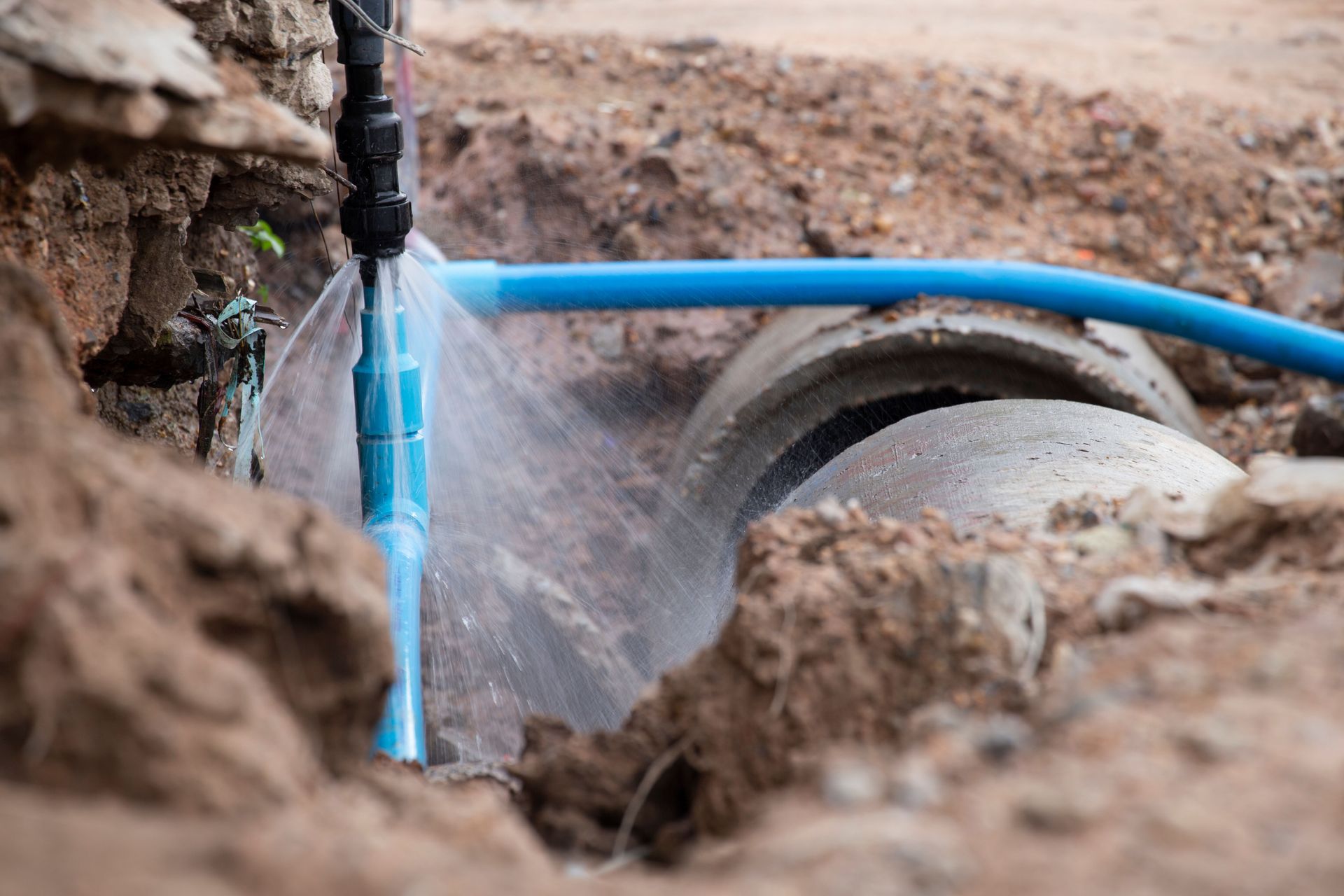
Foregoing professional utility locating services significantly increases the risk of safety hazards on excavation sites. Undetected utilities can become dangerous obstacles, posing threats to workers and the surrounding environment. Striking a gas line, for example, can lead to explosions and fires, putting lives at risk and causing extensive damage. Similarly, accidental contact with electrical cables can result in severe injury or even fatality. Professional locators mitigate these dangers by thoroughly identifying and mapping utilities, ensuring safe work environments and reducing the potential for accidents.
b. Legal and Financial Consequences
Ignoring the expertise of utility locators can lead to substantial legal and financial repercussions. Damage to underground utilities is often subject to strict liability, meaning that parties responsible for such damage can face hefty fines and lawsuits. Additionally, repairs and restoration of interrupted services can incur significant costs, affecting project budgets and timelines. By employing professional locators, project managers can mitigate these risks, ensuring legal compliance and minimizing financial exposure. Investment in utility locating services is therefore not just a safety measure but a crucial financial safeguard.
c. Project Delays
Unforeseen utility encounters can lead to extensive project delays, disrupting schedules and increasing costs. An average 38% chance exists that excavators cannot start work on time due to incomplete locate responses, according to the Common Ground Alliance, underscoring the importance of thorough utility mapping. Without professional guidance, projects are more likely to halt as workers navigate unexpected obstacles, extending project timelines significantly. Additionally, addressing damage to utilities exacerbates delays and complicates project management efforts. Ensuring accurate utility location prior to excavation is essential for maintaining project momentum and meeting deadlines.
3. Benefits of Hiring Expert Utility Locators
a. Accurate Mapping of Utilities
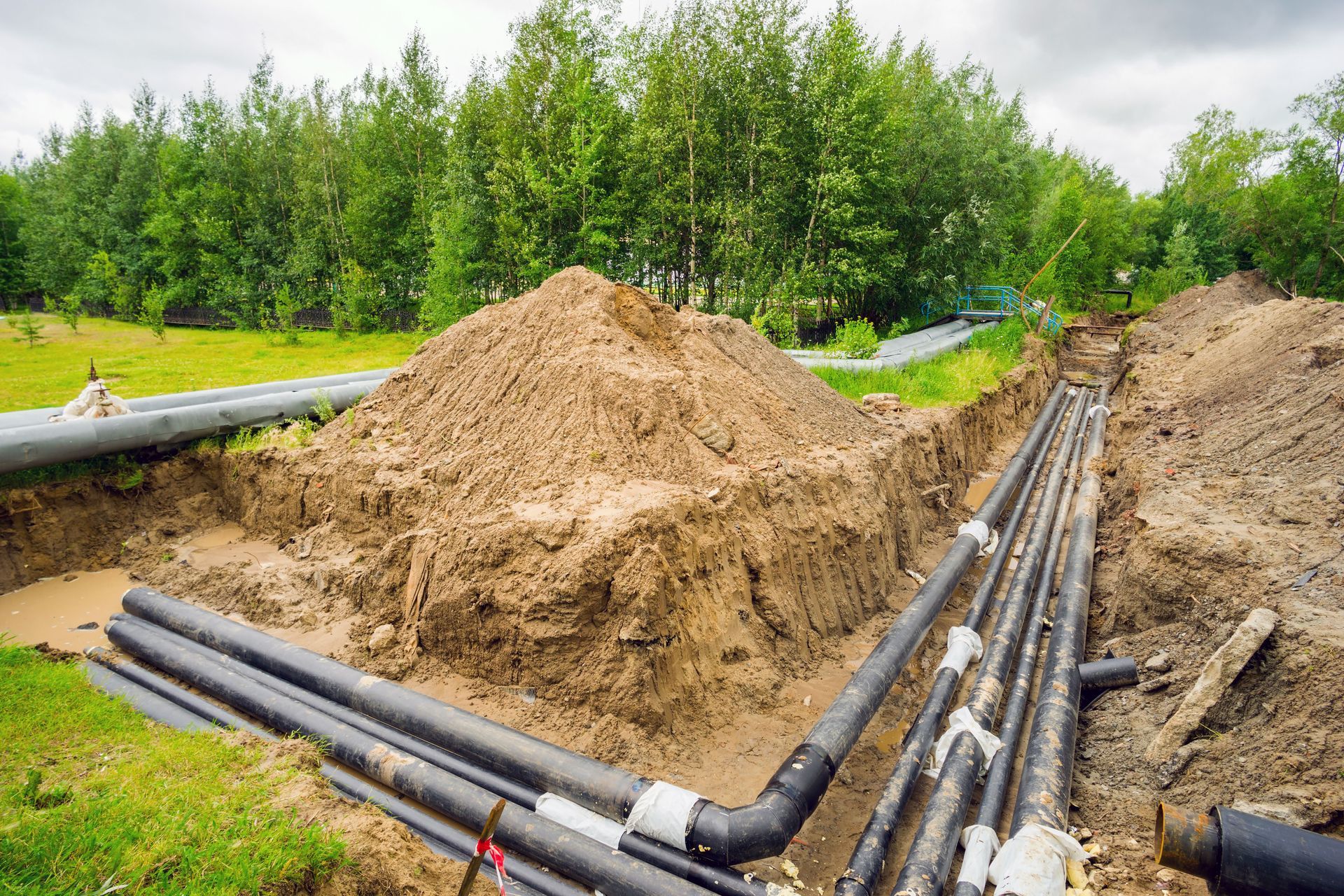
Expert utility locators provide precise and comprehensive maps of underground services, crucial for safe excavation. These professionals utilize advanced technologies to detect and document the exact position of utilities, ensuring no critical lines are overlooked. Accurate mapping aids in effective project planning, allowing teams to strategize operations around existing infrastructure seamlessly. Reducing the guesswork involved in utility mapping contributes to both the safety and efficiency of construction projects. Ultimately, engaging expert locators leads to smoother, more predictable project execution.
b. Enhanced Safety
Hiring professional utility locators significantly enhances safety on excavation sites by eliminating the uncertainty surrounding underground utilities. Their thorough assessments ensure that all potential hazards are identified and appropriately marked, reducing the likelihood of accidental strikes. Locators provide vital information that enables construction teams to avoid dangerous encounters, ensuring a secure working environment. By prioritizing this step, project stakeholders can protect both personnel and equipment from harm. Enhanced safety measures not only prevent injury but also boost team morale and productivity.
c. Cost Efficiency
Engaging expert utility locators can lead to substantial cost savings over the course of an excavation project. While upfront investment in locating services may seem considerable, the prevention of disruptions and infrastructural damage often offsets these initial expenses. By avoiding costly repairs, legal fees, and delays associated with utility disturbances, project teams can manage their budgets more effectively. Additionally, the insights provided by professional locators facilitate more efficient project planning and resource allocation. Long-term financial prudence underscores the value of including expert utility locating in project budgets.
4. Choosing the Right Utility Locator
a. Assessing Qualifications and Certifications
Selecting a qualified utility locator involves evaluating their certifications and professional competencies rigorously. Credentials such as certifications from recognized industry bodies affirm a locator's ability to conduct precise utility surveys. It's crucial to verify their training in the latest locating technologies and methods, ensuring they are equipped to handle diverse project demands. Qualifications are indicative of a locator's commitment to professionalism and adherence to safety protocols, which directly impact project outcomes. By prioritizing qualified personnel, projects can benefit from reliable and accurate utility locating services.
b. Reputation and Experience
The reputation and experience of a utility locator should weigh heavily when deciding on a service provider. Locators with extensive experience tend to offer more reliable insights, having encountered diverse challenges across varied projects. Reputation reflects a locator's past performance and reliability, factors essential for maintaining operational trust. Engaging well-regarded locators provides reassurance of quality and expertise, fostering smoother project execution. As a result, selecting a service provider with credible experience and a strong reputation is essential for quality utility locating.
c. Technology and Equipment
When choosing a utility locator, consideration must be given to the technology and equipment they employ. Advanced technologies like ground-penetrating radar (GPR) and electromagnetic tracing are vital tools that enhance locating accuracy and efficiency. It's crucial to ensure that a locator's technological capabilities align with the requirements of the specific project, providing certainty about the accuracy of the work. Locators equipped with the latest advancements are better able to conduct thorough utility assessments and effectively prevent possible site disruptions. Thus, the sophistication of technology and equipment directly impacts the quality and success of utility locating.
Ignoring professional utility locating services can lead to catastrophic outcomes, including safety hazards, financial loss, legal liabilities, and environmental damage. If you're looking for utility locators, contact Twin Forks Locating today.

Share On: