10 Questions to Ask Your Utility Locating Company
Hiring the right utility locating professionals is one of the most important steps before breaking ground on any project. Whether you are starting a new construction, planning a major renovation, or preparing to dig for landscaping, knowing what lies beneath the surface prevents costly damage and dangerous accidents. Underground infrastructure has grown increasingly complex, and without expert support, it is nearly impossible to accurately identify every line or system hidden below. Asking the right questions helps ensure you work with a knowledgeable team that understands industry standards and uses proper equipment. This guide covers the most essential questions to help you make a confident and informed decision when choosing a utility locating partner.
1. What Type of Equipment and Technology Do You Use?
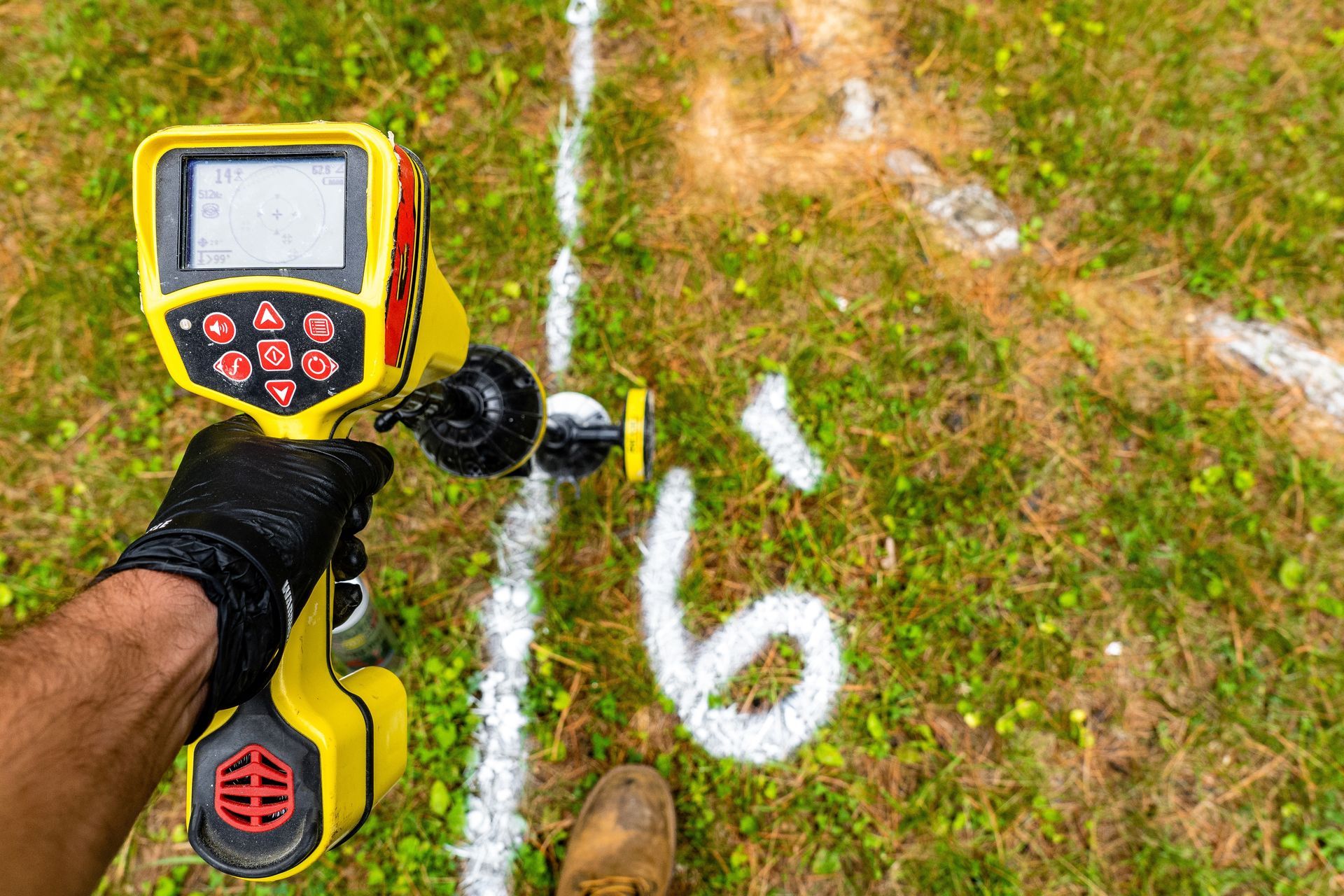
The first question you should ask any utility locator company involves the tools and technologies they rely on. Modern locating requires state-of-the-art equipment designed to identify pipes, cables, and conduits buried at various depths and made from different materials. Advanced tools such as electromagnetic locators, ground-penetrating radar, and tracer systems significantly improve accuracy and reduce the likelihood of missed lines. It is also important to confirm that the team is professionally trained to interpret the data these systems provide. High-quality technology is especially valuable when locating underground utilities like electric lines, gas lines, oil lines, steam lines, and communication lines.
2. How Experienced Is Your Team?
When evaluating a utility locator company, experience plays a major role in the quality of service you will receive. Many underground utilities have been installed over long periods, sometimes inconsistently mapped or marked, which means experience helps technicians interpret signs that less-seasoned workers may overlook. A company with 14+ years of experience has likely handled a wide range of site conditions and can quickly adapt to challenges. Skilled technicians also understand how soil type, weather conditions, and utility materials affect locating results. Their background becomes especially valuable when working on potable water and reclaimed water lines or sewer and drainage lines, which require precision and careful interpretation.
3. What Services Do You Specialize In?
Understanding the range of services offered helps you confirm that the company can meet the needs of your specific project. A qualified utility locator company should provide comprehensive locating support for electric lines, gas lines, oil lines, steam lines, communication lines, potable water lines, reclaimed water lines, and sewer or drainage systems. Projects vary widely, and not all companies specialize in multiple utility types, so verifying capabilities upfront reduces the chance of delays. Knowing that the company can handle everything from shallow communication conduits to deeper water and sewer lines allows you to plan confidently. This also ensures you avoid hiring multiple providers, which can increase your project cost.
4. How Do You Ensure Accuracy?
Accuracy is one of the most important qualities to look for in any utility locator company. Even a minor miscalculation can lead to expensive repairs or dangerous situations during excavation. A strong provider will explain their standard procedures, including verification steps, cross-checking methods, and data interpretation practices. They may also use multiple locating technologies to confirm the presence of a line or pipe. Reliable and quality service is especially important when dealing with high-risk utilities such as gas lines or electric lines, where precision can prevent serious hazards.
5. What Is Your Average Turnaround Time?
Project timelines matter, and delays in locating services can slow down an entire job. Asking about turnaround time helps you determine whether the company can support your schedule. Many top providers offer same-day or next-day services, which is especially helpful when you need results quickly. Fast response times demonstrate a dedication to customer service and operational efficiency. This is an important consideration when you need timely support locating underground utilities such as communication lines, sewer lines, or water lines.
6. Do You Provide Detailed Reports?
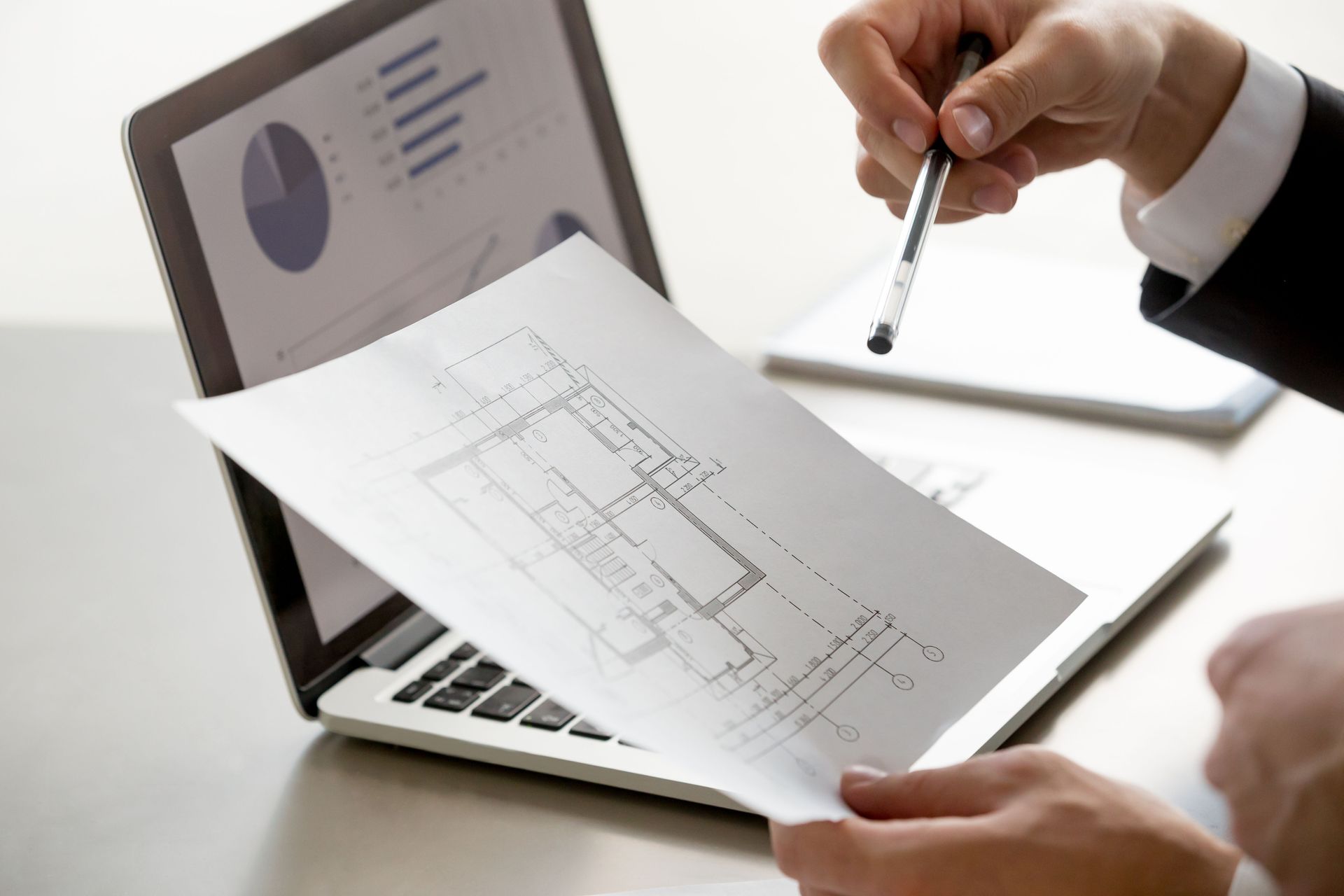
Documentation plays a key role in keeping your project organized and safe. After performing their work, a professional utility locator company should provide detailed reports outlining all findings. These reports typically include maps, depth estimates, utility types, and notes about site conditions. Clear documentation helps you plan excavation steps and informs future projects on the same property. Whether you are dealing with oil lines, gas lines, steam lines, or reclaimed water lines, having accurate written and visual information is crucial.
7. How Do You Handle Complex or Congested Utility Areas?
Urban areas and older neighborhoods often contain densely packed underground systems. This can make locating more difficult, which means the company you choose must have proven strategies to address complexity. Ask how they approach situations where multiple utilities overlap, intersect, or run parallel to each other. Companies with extensive field experience can interpret subtle signals, identify anomalies, and adjust their techniques accordingly. The ability to correctly distinguish communication lines from electric lines or water lines is essential for safe excavation.
8. What Steps Do You Take to Avoid Missed Utilities?
A missed utility can have severe consequences, so it is important to ask how the company prevents omissions. A thorough utility locator company will perform multiple sweeps of the area using different frequencies or tools. They may also review historical records or consult with local municipalities to identify utilities not shown on modern maps. Technicians who are professionally trained understand how utility depth, soil type, and line material affect locating signals. Extra care is especially vital when locating sewer and drainage lines, reclaimed water lines, or older metallic pipes that may not register clearly on all devices.
9. Are You Familiar With Local Regulations and Requirements?
Locating is not just a technical job—it also involves compliance with local rules, permitting requirements, and safety regulations. Asking about familiarity with regional guidelines helps ensure the company can perform the work legally and correctly. This is especially important in areas where underground systems vary significantly from one neighborhood to another. A knowledgeable utility locator company will stay updated on municipal codes and regional standards. Their expertise helps ensure that communication lines, gas lines, and water systems are identified according to local expectations.
10. How Do You Stay Updated With Industry Trends?
The utility locating industry continues to evolve with improved technologies, updated standards, and expanding infrastructure. Asking how the company stays current ensures that they continue providing reliable and quality service. Many professionals attend training sessions, participate in industry workshops, or invest in new equipment regularly. Staying informed helps companies adapt to changes and avoid outdated methods that could lead to inaccurate results. According to Grand View Research, the North American utility locator market is expected to grow at a compound annual growth rate of nearly 5% between 2025 and 2030, which means ongoing education will remain essential.
Some projects involve a single utility line, while others require locating across multiple acres of land. A versatile utility locator company should be prepared to handle both. Ask whether they have experience with commercial, residential, and industrial properties, as each environment requires different strategies. Their ability to scale their services demonstrates flexibility and strong operational capacity. This is valuable whether you need support with electric lines, communication lines, or complex multi-utility systems.
Asking the right questions allows you to find a dependable team that can accurately and safely locate underground systems before any digging takes place. A trustworthy provider will offer clear communication, up-to-date technology, strong safety practices, and the experience needed to work across multiple utility types. For reliable support from a knowledgeable and professional team, consider reaching out to Twin Forks Locating for your next project. For more information, contact us today!
Share On: